
Japan's ancient deer capital is 35 minutes away. Over 1,200 sacred deer, eight UNESCO World Heritage sites, and one of the world's oldest cities — all reachable before the Kyoto crowds even wake up.
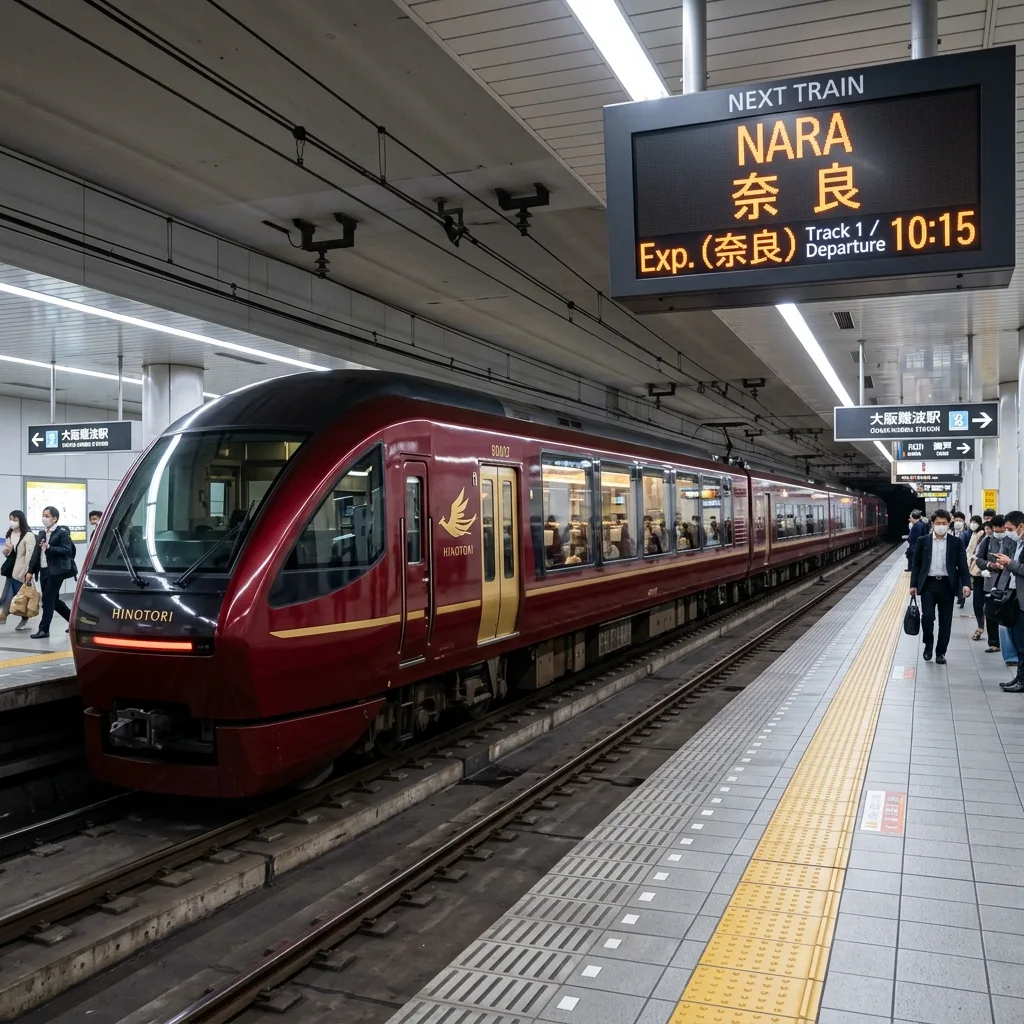
Two separate rail networks connect Kyoto Station to Nara, each arriving at a different station. The choice affects your route into the park and your total cost.
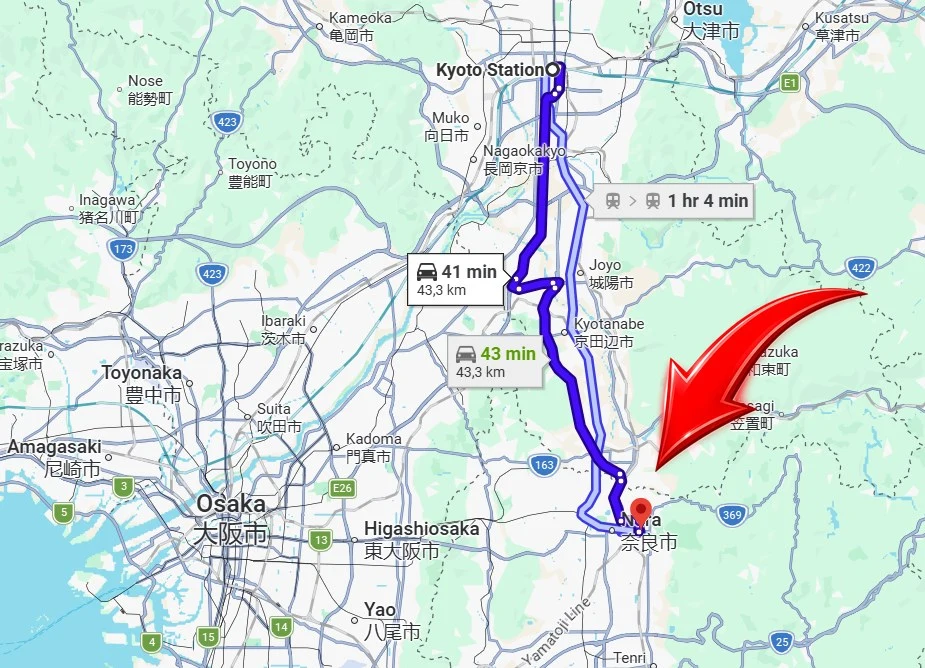
Station tip: Kintetsu Nara Station is inside the city centre (Sanjō-dōri), only 500 m from the park gate — this is the practical choice for most visitors. JR Nara Station is further west and involves a longer walk or a bus. If using the JR Pass, the saved 720 JPY doesn't offset the extra walking time for a day trip.
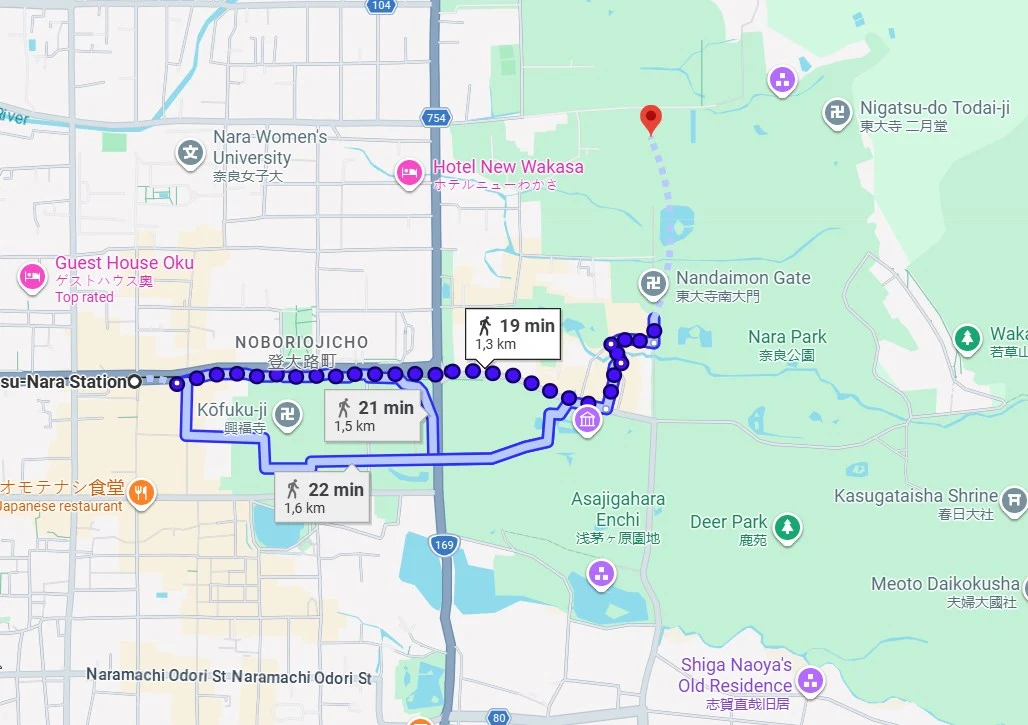
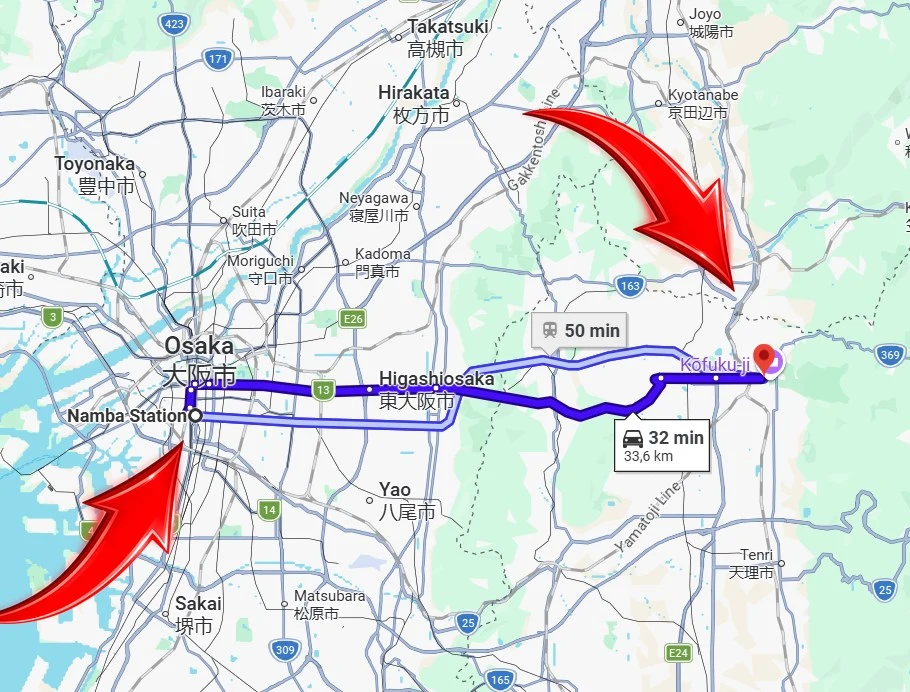
Kintetsu Rapid Express from Osaka-Namba → Kintetsu Nara Station: ~40 minutes, 680 JPY (no surcharge needed). Same 680 JPY fare from Osaka-Uehommachi, ~37 minutes. Alternatively, the JR Yamatoji Rapid from JR Osaka to JR Nara Station runs ~47 minutes at 820 JPY and is covered by the JR Pass — but JR Nara Station is a 15–20 minute walk from Nara Park, making Kintetsu the practical choice for most visitors. Fares verified against Kintetsu official fare table, April 2026.
The Nara Park core circuit (Todai-ji, Kasuga Taisha, Kofuku-ji, Isuien) is entirely walkable from Kintetsu Nara Station — no bus needed. The Nara City Loop Bus connects the western temple complex (Horyu-ji, Toshodai-ji, Yakushi-ji) and the Heijo Palace Site. A day bus pass costs around 600 JPY.
Coin lockers are available at both stations (JR Nara: 300–600 JPY, rollover at 02:00; Kintetsu Nara: IC-card or coin lockers at B1 west, rollover 01:00). Ecbo Cloak and H.I.S. Tourist Information at Kintetsu also offer bag storage (~540 JPY/bag).
Three itineraries based on available hours, all starting from Kintetsu Nara Station. Adjust start time using the planner below.
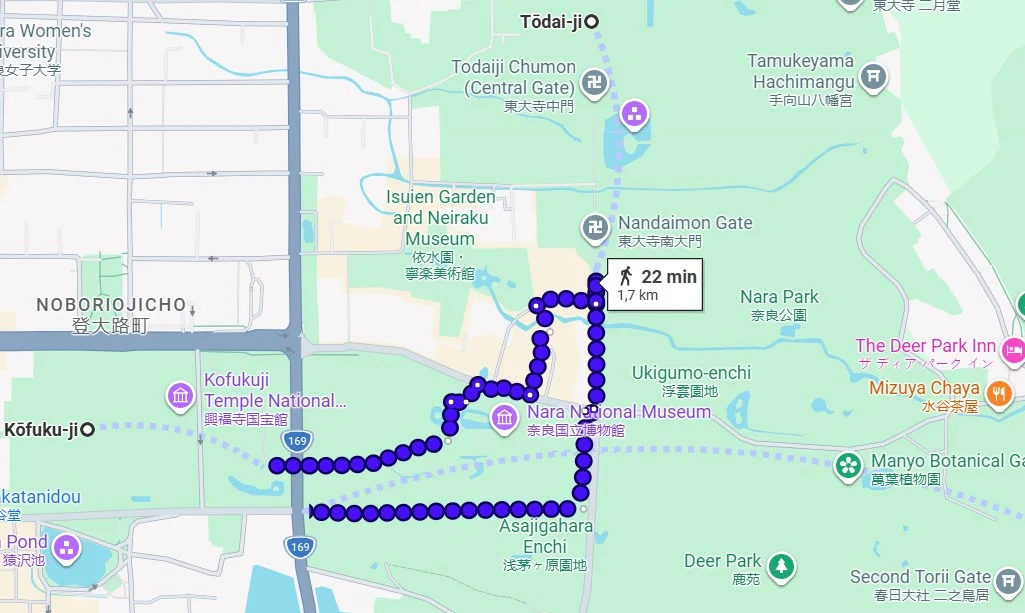
All seven sites below are walkable from Kintetsu Nara Station. Budget 4–6 hours for the full loop. Start early: Todai-ji and Kasuga Taisha get crowded from 10:30 onward on weekends and holidays.
The western temple trio — Horyu-ji, Toshodai-ji, and Yakushi-ji — sits 4–7 km from the city centre, reachable by Loop Bus. Allow at least a half-day if you want to combine any two of them with the park circuit.
These destinations are too far for a Kyoto day trip unless you spend a full day in the Nara Prefecture and return directly to Osaka or Kyoto by evening.
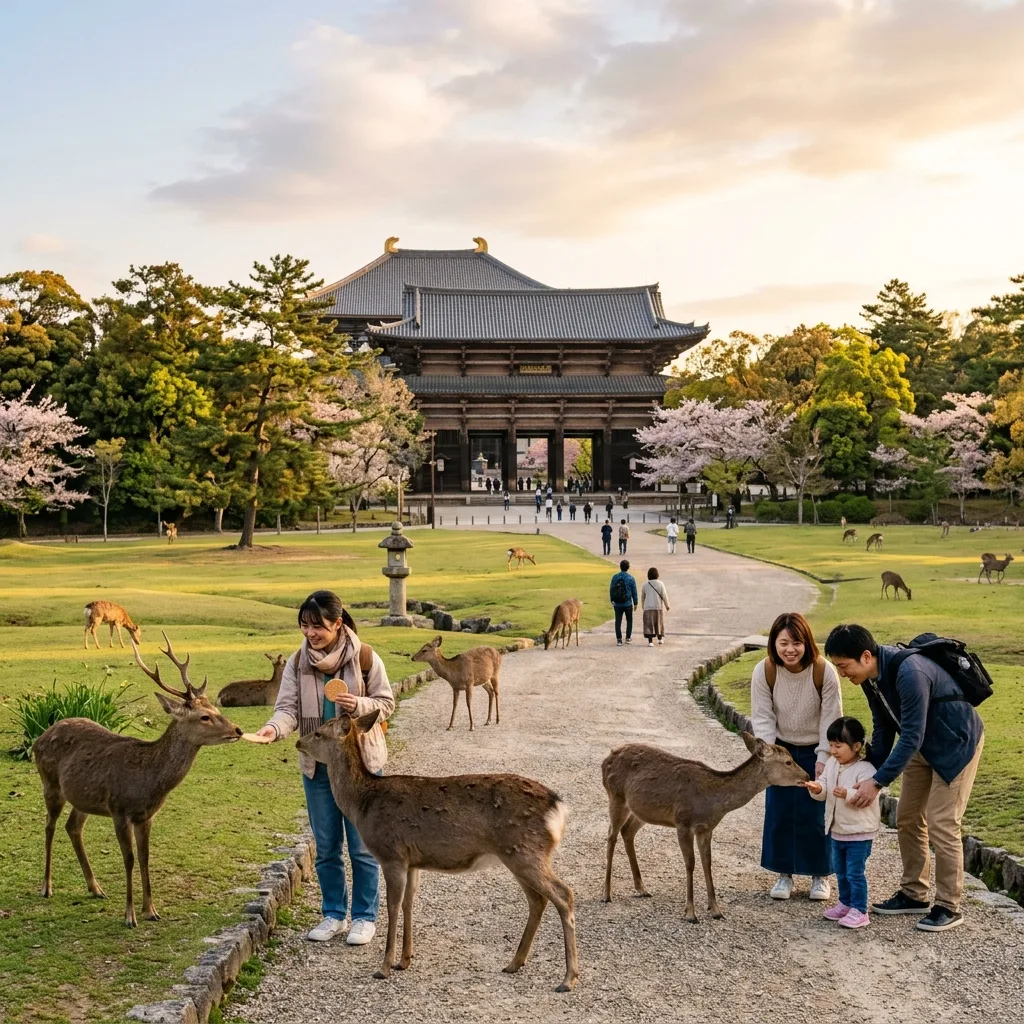
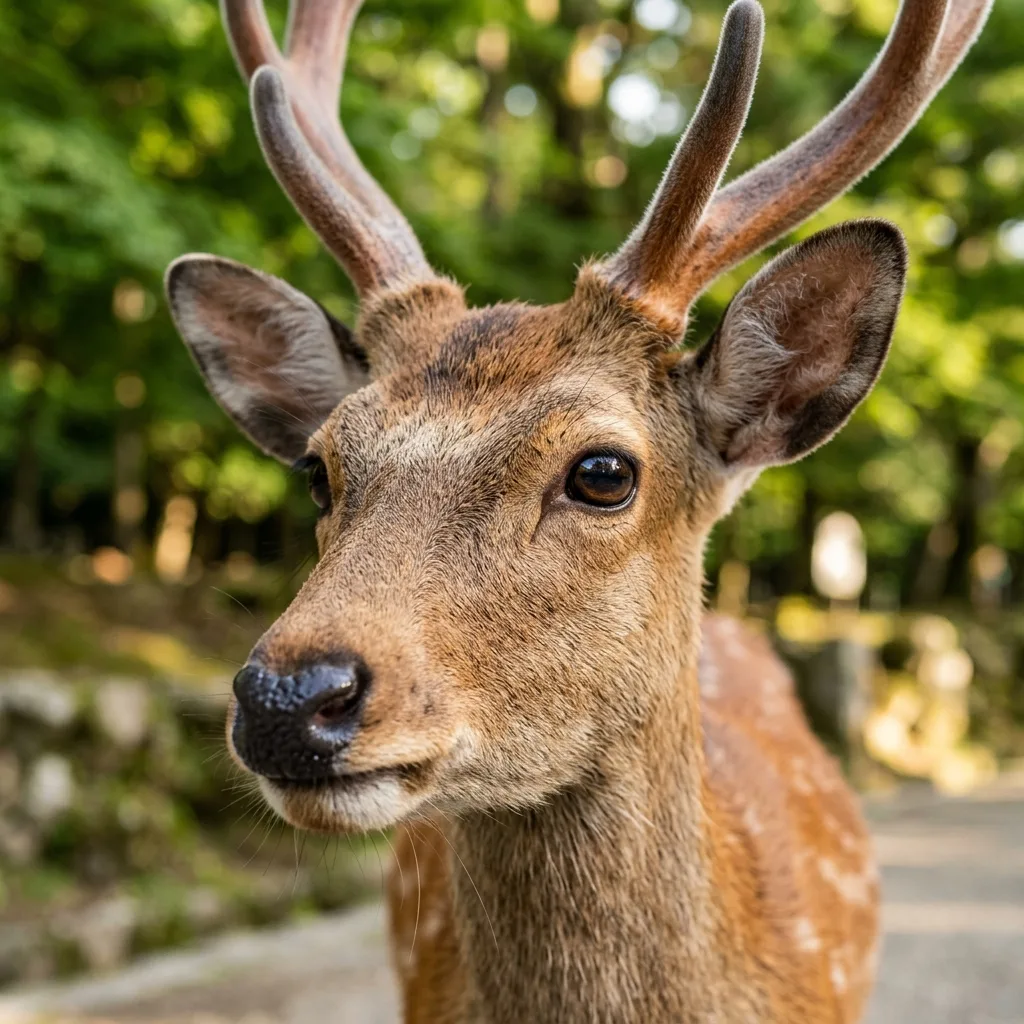
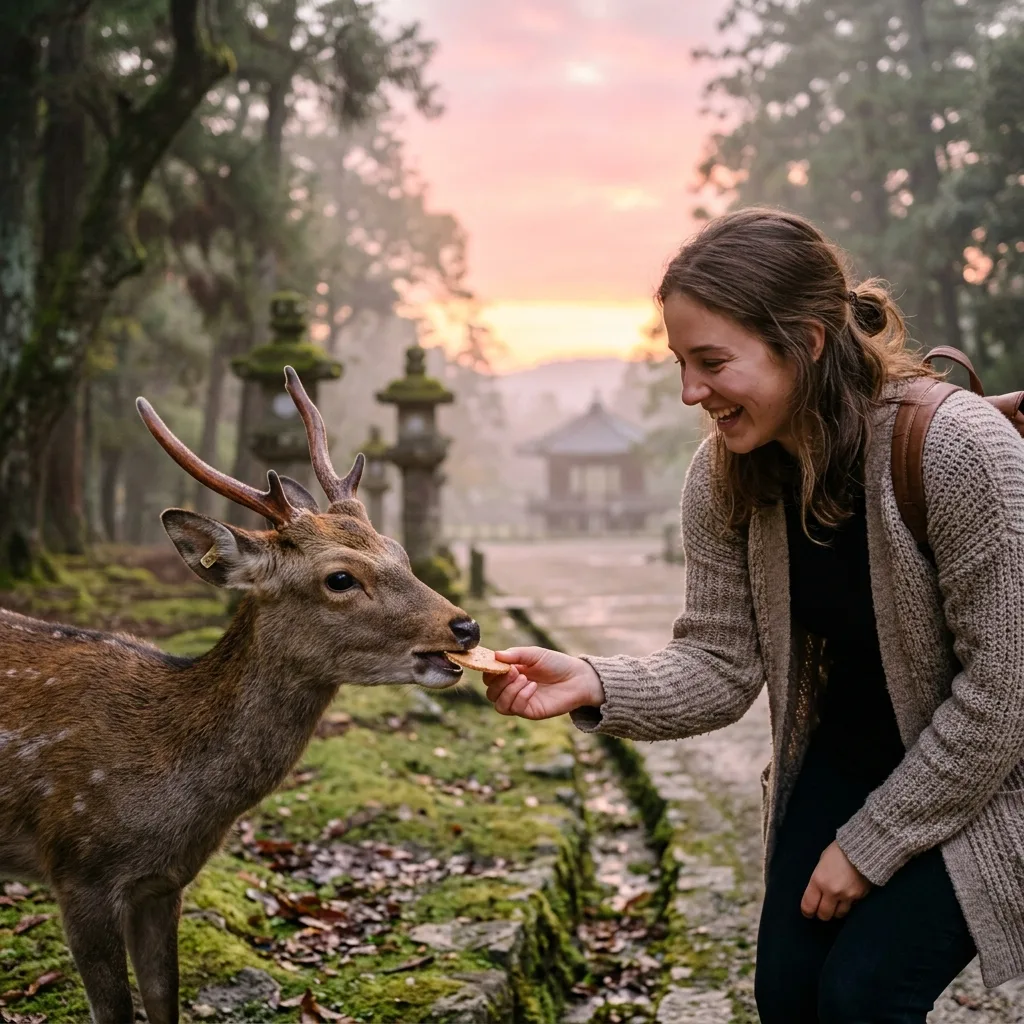
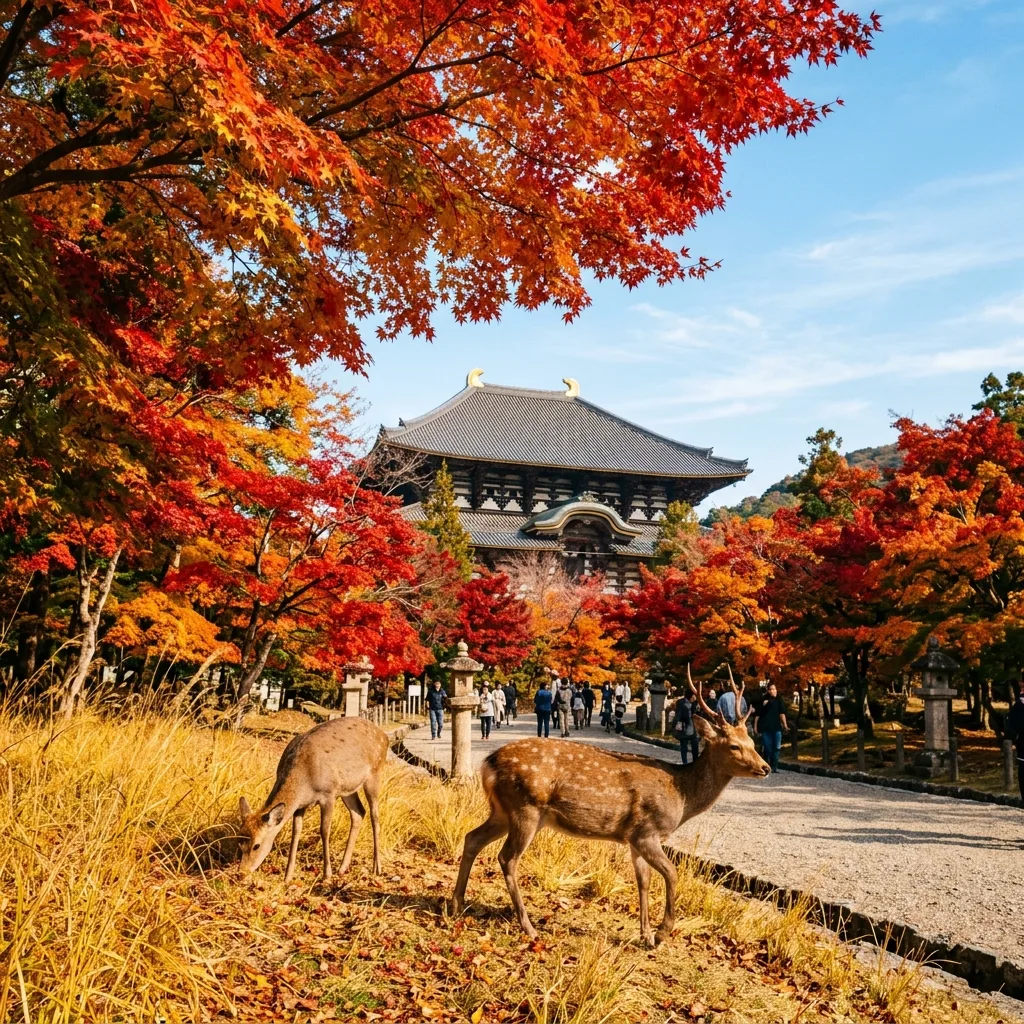
Nara's deer (sika deer, designated National Natural Treasures) roam freely across all 660 hectares of Nara Park. They are considered divine messengers of Kasuga Taisha and have lived alongside the city for over 1,300 years. They have learned to bow in exchange for crackers — one of the most photographed moments in Japan.
Safety advisory (2025–2026): Deer injuries to tourists rose sharply post-pandemic. In September 2025 alone, 35 injury incidents were recorded. The annual antler-cutting ceremony (Shika no Tsunokiri) was delayed to November 8–9, 2025 — about a month later than usual — due to increased rutting-season aggression. Rutting season runs September–November: bucks are most aggressive during this period. Bow to the deer, never hold crackers above your head, keep bags behind you, and keep children under close supervision.
Shika Yose (鹿寄せ) — Deer Calling Ceremony: A ranger summons 100–200 deer from the forest by playing a French horn at Tobihino field. Free to watch. Winter schedule: 10:00 on Saturdays, Sundays and holidays in January and February (excluding Jan 24–25). Summer schedule: Sundays in July and August. Arrive by 9:45 to secure a viewing spot.
"Nara's food culture is a secondary attraction that most day-trippers miss entirely. The deer crackers are for the deer — make sure you also allocate 30 minutes to Nakatanidou and the kakinoha sushi shops on Sanjō-dōri before returning to Kyoto."
Independent research note, April 2026
Cherry blossoms peak around April 1 in Nara Park. Also the best time for Hase-dera's 7,000-step peony garden (April–May). Most crowded season — arrive by 9:00 or book an early morning tour.
Hot and humid but fewer tourists. The Nara Tokae Lantern Festival (Aug 5–14, 19:00–21:30) transforms Nara Park into a sea of candles. Shika Yose deer-calling runs on Sundays in July–August. Hydrangeas bloom at Muro-ji in June.
Autumn foliage peaks mid-November at Nara Park, Isuien Garden, and Tanzan Shrine. Rutting season (Sep–Nov) — deer are more aggressive. The 77th Shoso-in Annual Exhibition at Nara National Museum runs in autumn 2026 (timed-entry tickets).
Quiet and cold. The Yamayaki Festival (Jan 24, 2026) burns the entire Wakakusayama grassland — fireworks at 18:15, ignition at 18:30. Shika Yose deer-calling on weekends in Jan–Feb. Omizutori fire ritual at Nigatsu-do runs March 1–14 (peak night: March 12).
The Kintetsu Rail Pass 1-Day (1,900 JPY) covers unlimited Kintetsu trains including the Kyoto–Nara route, plus Nara Kotsu buses. Best value for a Kyoto–Nara–Osaka triangle day. The JR West Kansai Area Pass (from ~2,400 JPY/day) covers JR lines including the JR Nara route. Note: from April 2026, the Kansai Thru Pass has been renamed "Kansai Railway Pass Lite" with reduced network coverage — verify what's included before purchasing.
| Item | JPY |
|---|---|
| Kintetsu Express return (Kyoto ↔ Nara) | 1,520 |
| Todai-ji Daibutsuden | 800 |
| Shika senbei — 1 bundle | 200 |
| Lunch (moderate, Sanjō-dōri area) | 1,200–1,500 |
| Mochi / snacks (Nakatanidou) | 200–400 |
| Standard self-guided day | ~3,920–4,420 |
| Optional additions | JPY |
|---|---|
| Kasuga Taisha inner corridor | 700 |
| Kofuku-ji National Treasure Museum | 700 |
| Isuien Garden (incl. Neiraku Museum) | 1,200 |
| Yoshikien Garden | Free (foreign visitors with passport) |
| Loop Bus day pass (western temples) | 600 |
| Horyu-ji Temple | 1,500 |
| Coin locker at Kintetsu Nara | 400–700 |
Prices as of April 2026. ≈ 150 JPY per USD. Standard day ≈ $26–30 USD self-guided; guided tours from ~$51 per person all-inclusive.
Most temples and the museum accept IC cards (Suica/ICOCA) and credit cards. Deer cracker vendors, Nakatanidou mochi, and small Naramachi shops are generally cash only. Carry ¥5,000–10,000 in cash.
The Kofuku-ji five-story pagoda is fully wrapped in restoration scaffolding until March 2034. The famous Sarusawa Pond reflection shot is currently obscured by the cover structure. Plan accordingly — and know that the interior restoration work will eventually produce one of Japan's most pristine wooden pagodas.
Todai-ji and Heijo Palace have good wheelchair access. Kasuga Taisha and Horyu-ji are limited. The Loop Bus is accessible. The ascent to Nigatsu-do involves stone steps without an alternative route. Mount Wakakusa is not stroller-friendly above the first plateau.
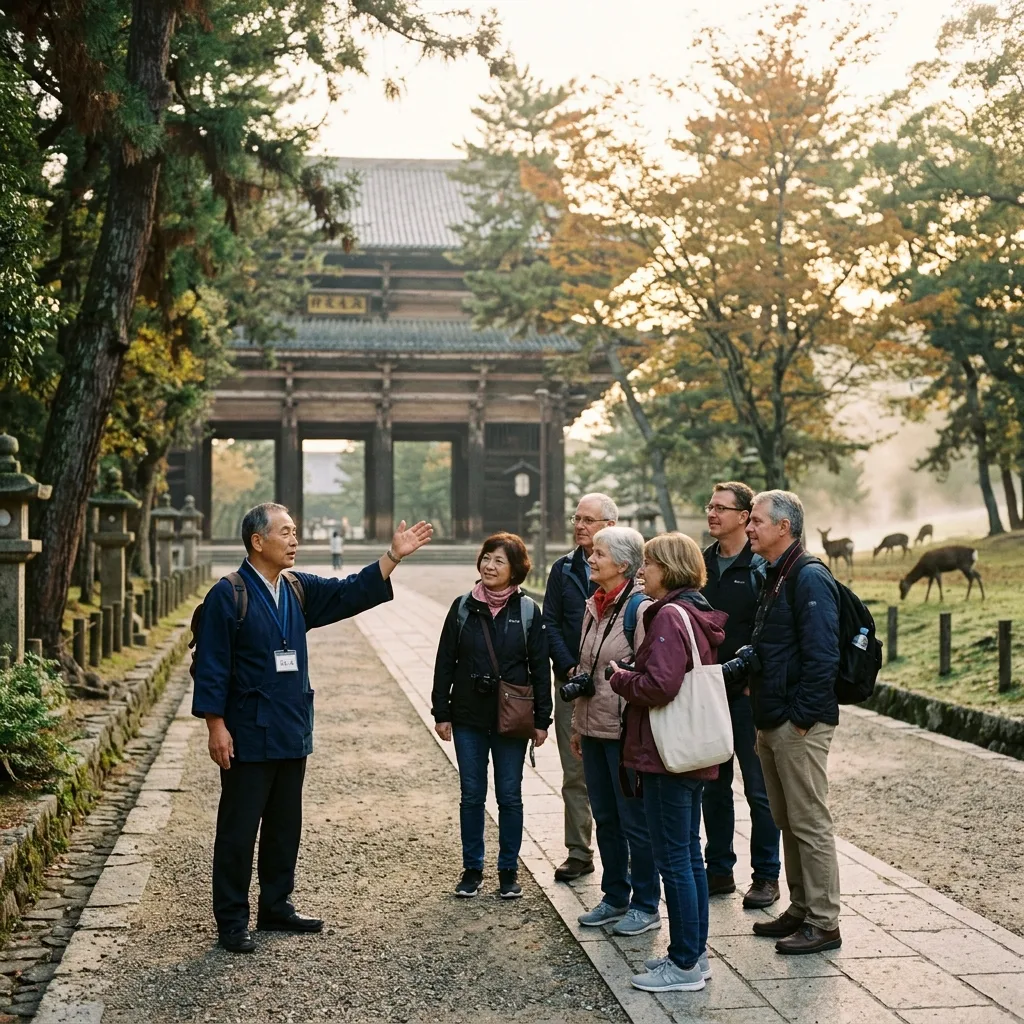
For visitors who prefer a guide — especially useful for Todai-ji's history, deer etiquette, and navigating the western temples. All tours below are sourced from GetYourGuide, filtered to 50+ reviews and 4.3+ rating. See all 20 tours →
Book at least 2 weeks ahead during cherry blossom (late March–April) and autumn foliage (November). The Nara Early Morning Tour (★ 4.87, 399 reviews) sells out earliest. Most tours offer free cancellation up to 24 hours before departure.
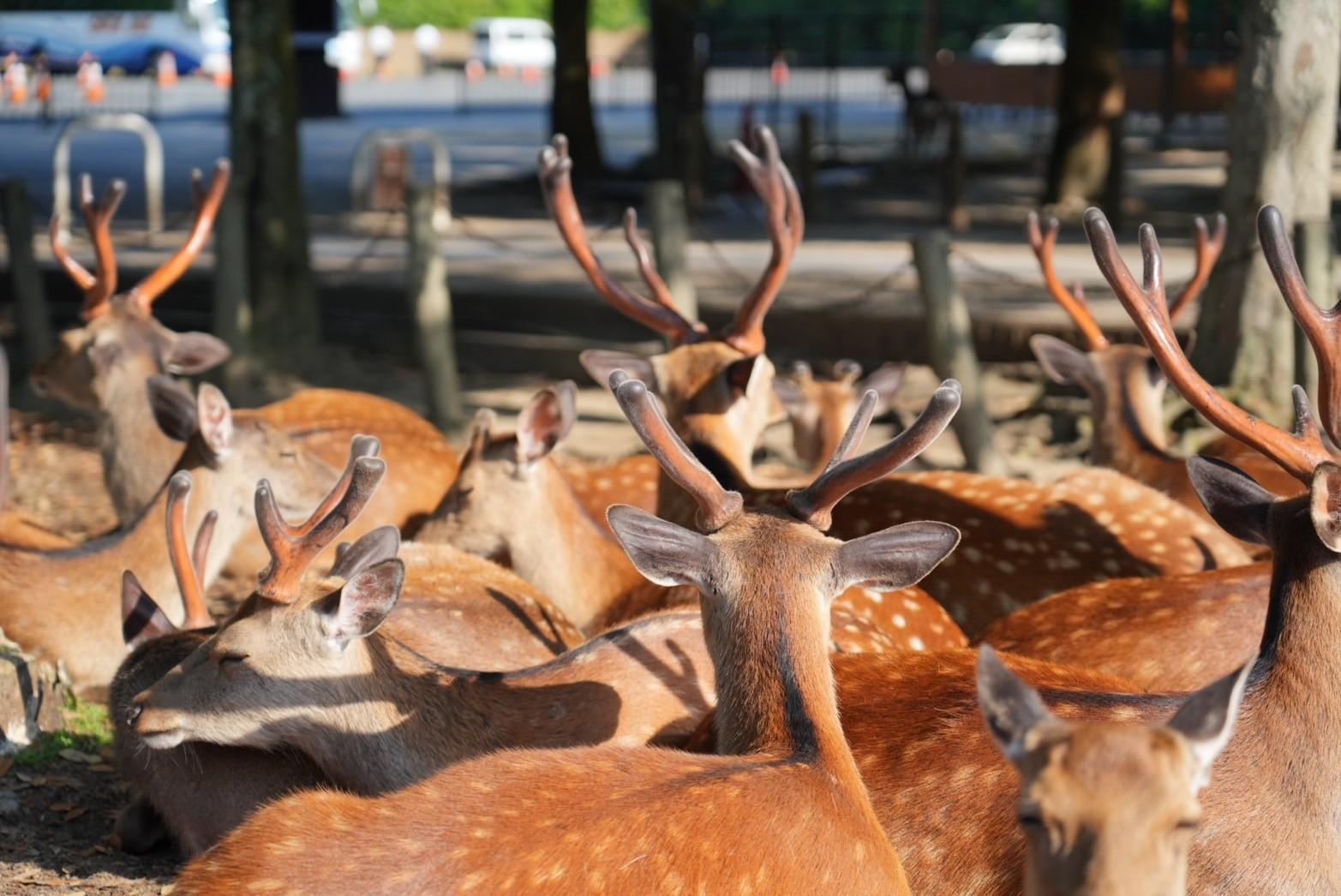
Beats the afternoon crowds by starting at dawn. Finishes before noon, leaving time for Kyoto sightseeing in the afternoon. Consistently praised for guide quality.
Book on GetYourGuide →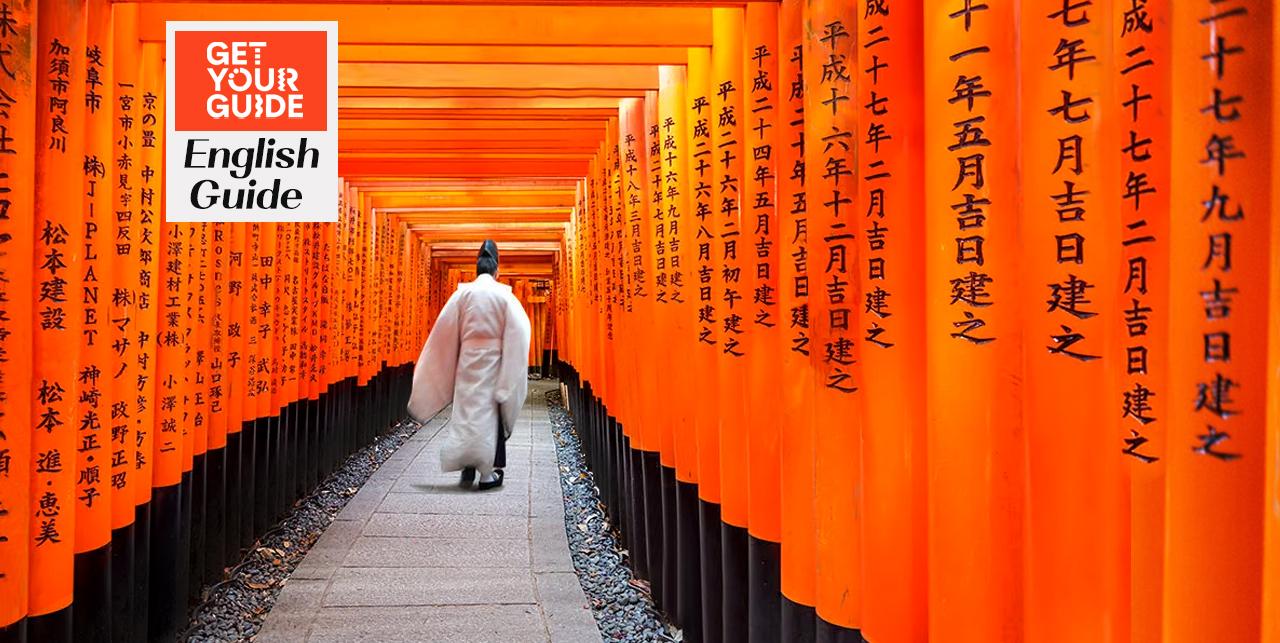
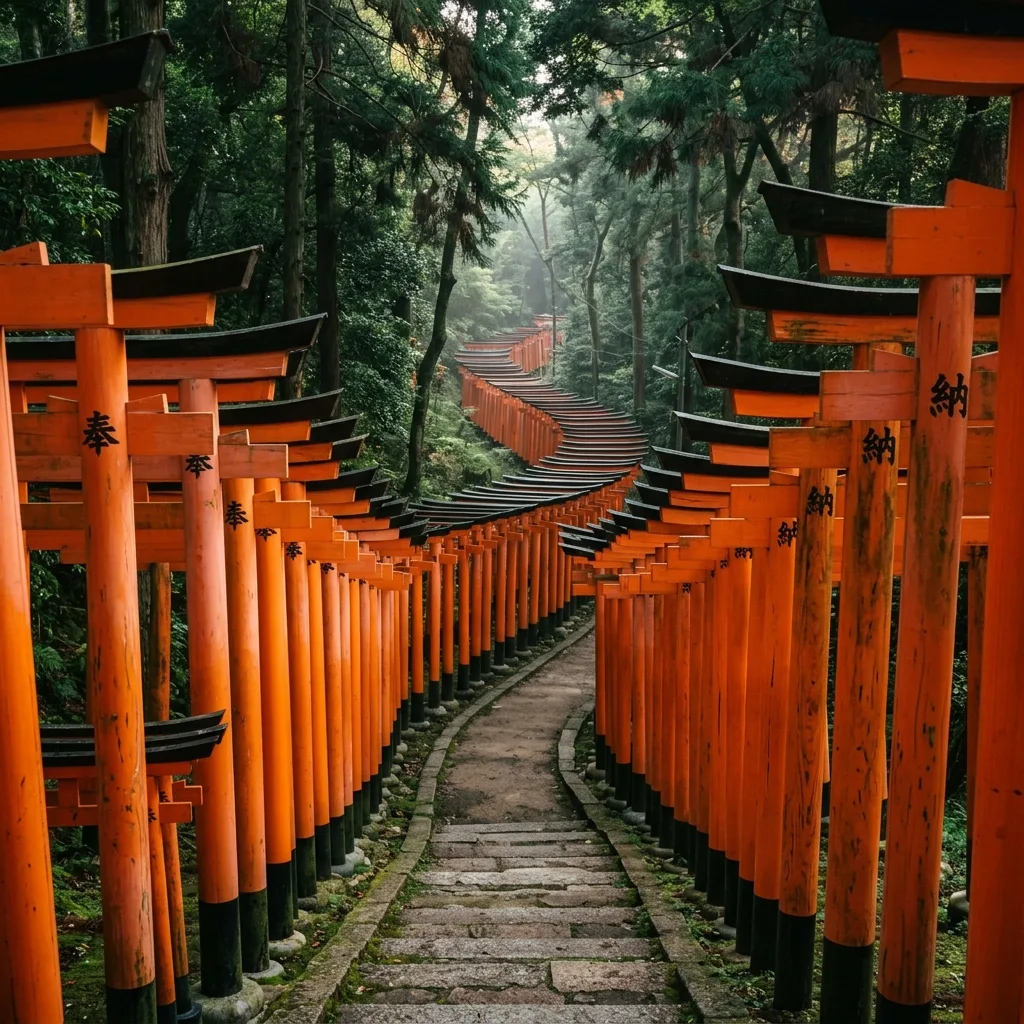
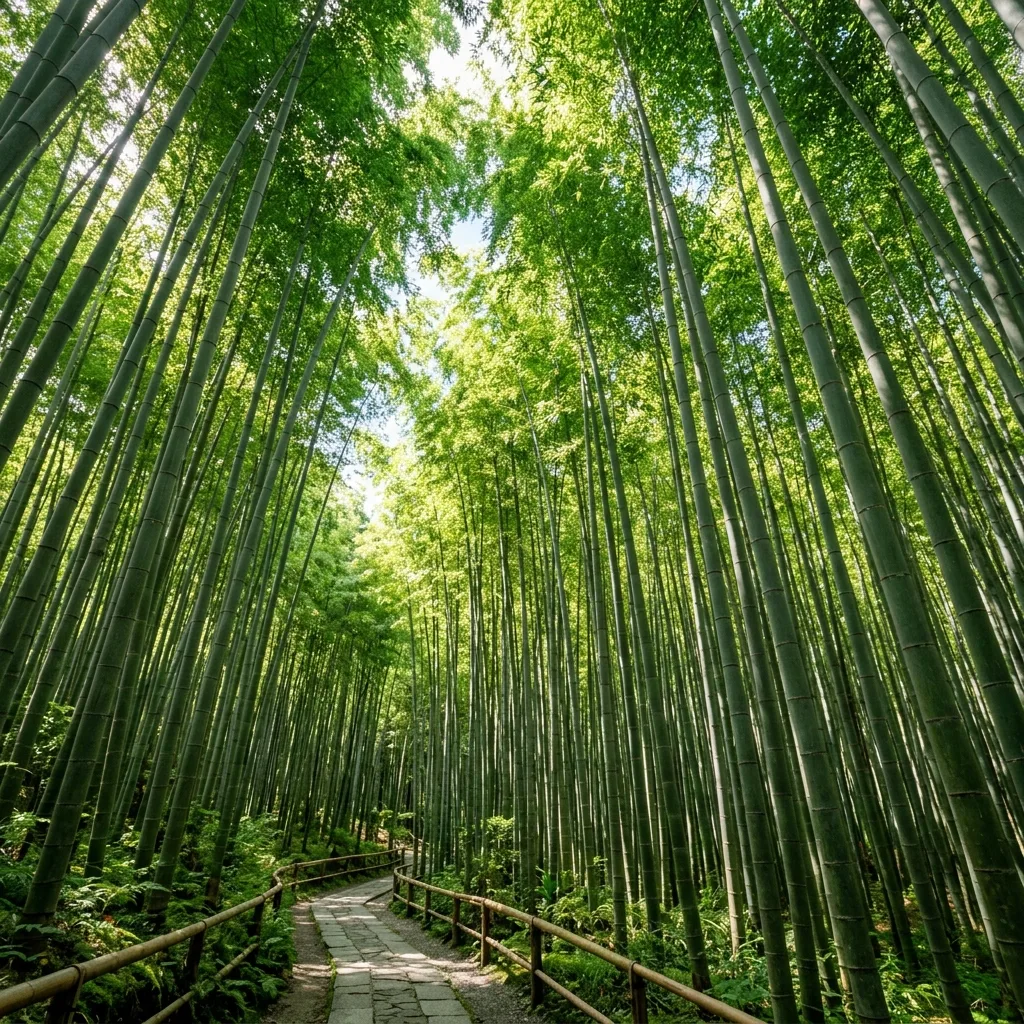
The most-reviewed Nara tour on GetYourGuide. Combines Nara's deer park, Fushimi Inari's torii gates, and Arashiyama bamboo in one full day. Best value for first-timers covering multiple landmarks.
Book on GetYourGuide →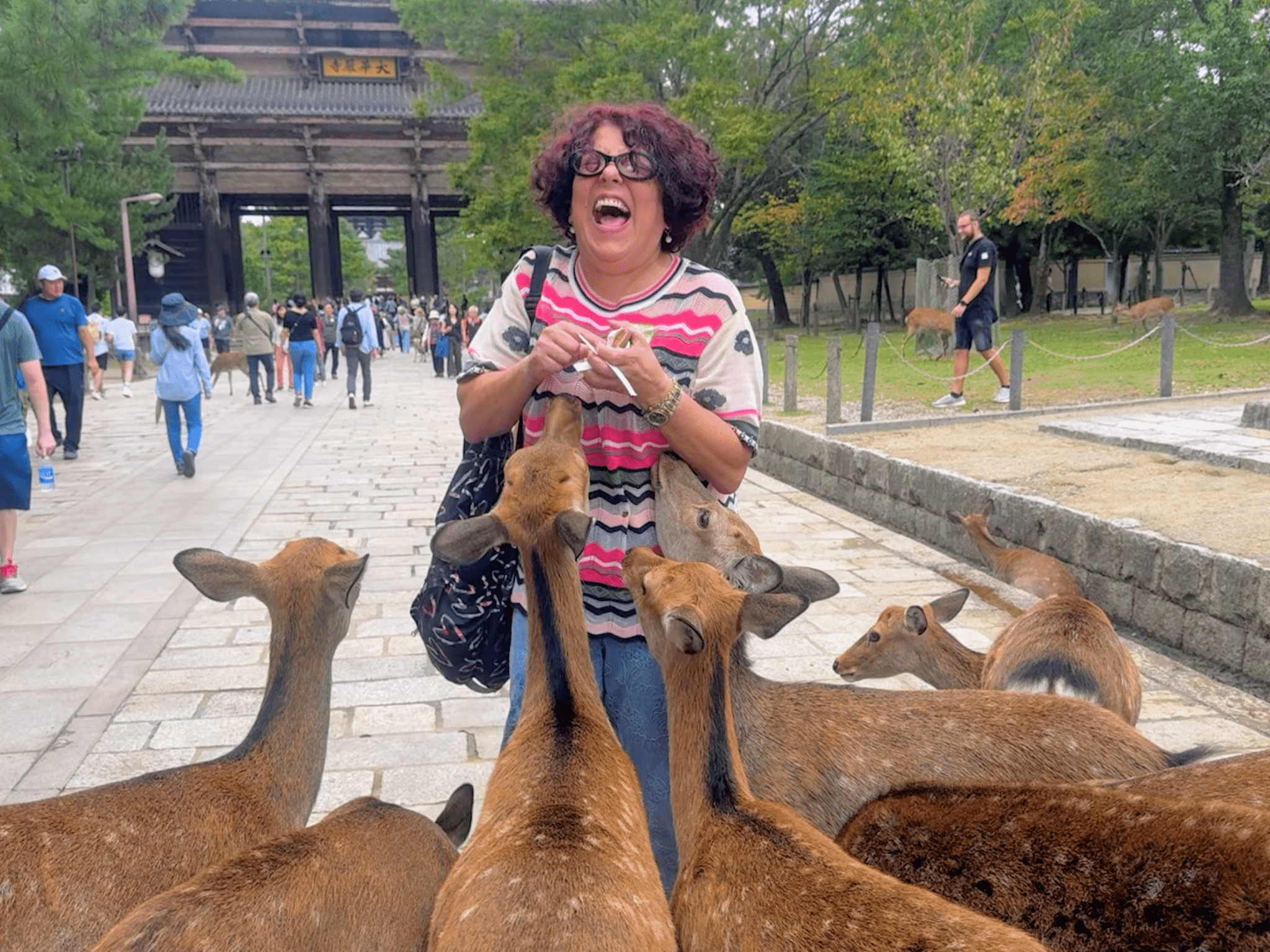
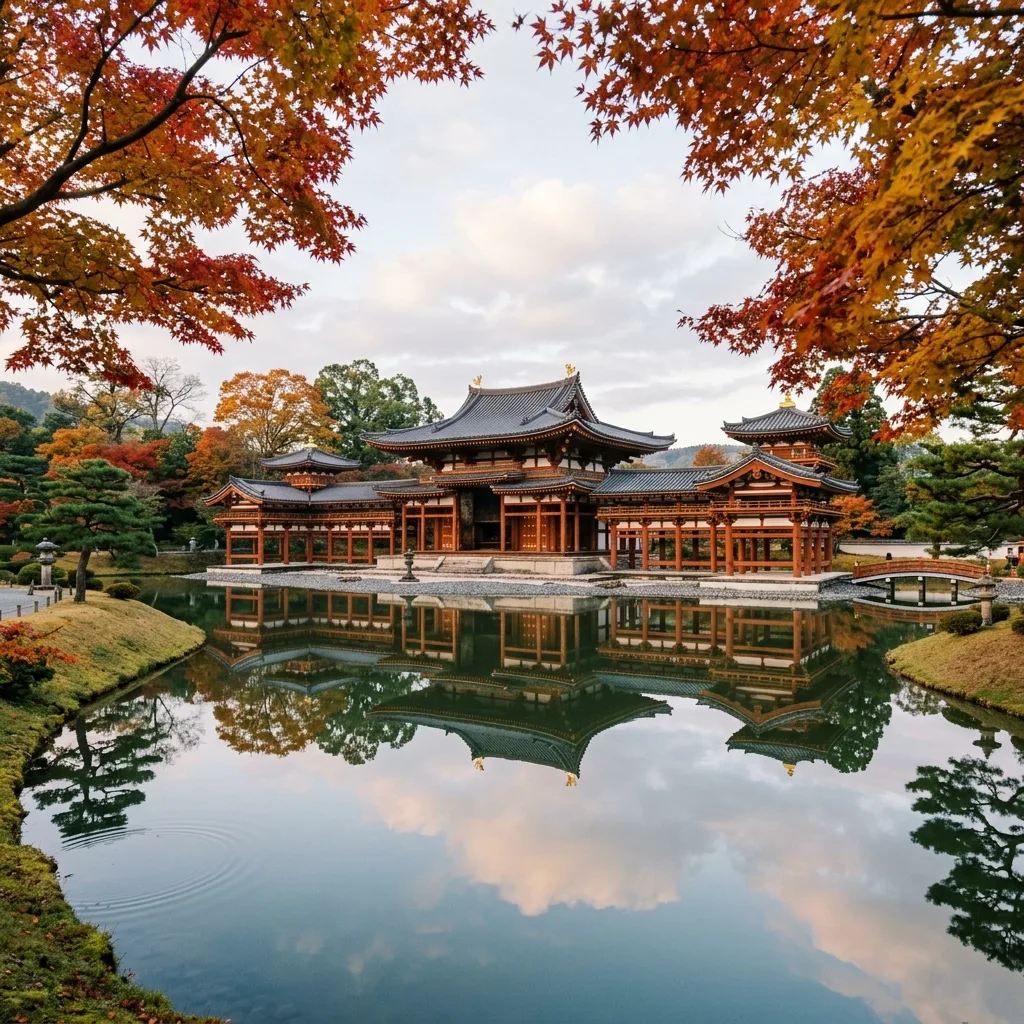
Covers Todai-ji, Nara Park, Kasuga Taisha, Byodoin Temple in Uji, and a hands-on matcha ceremony. Excellent combination of Nara and Uji's tea culture in one day from Kyoto.
Book on GetYourGuide →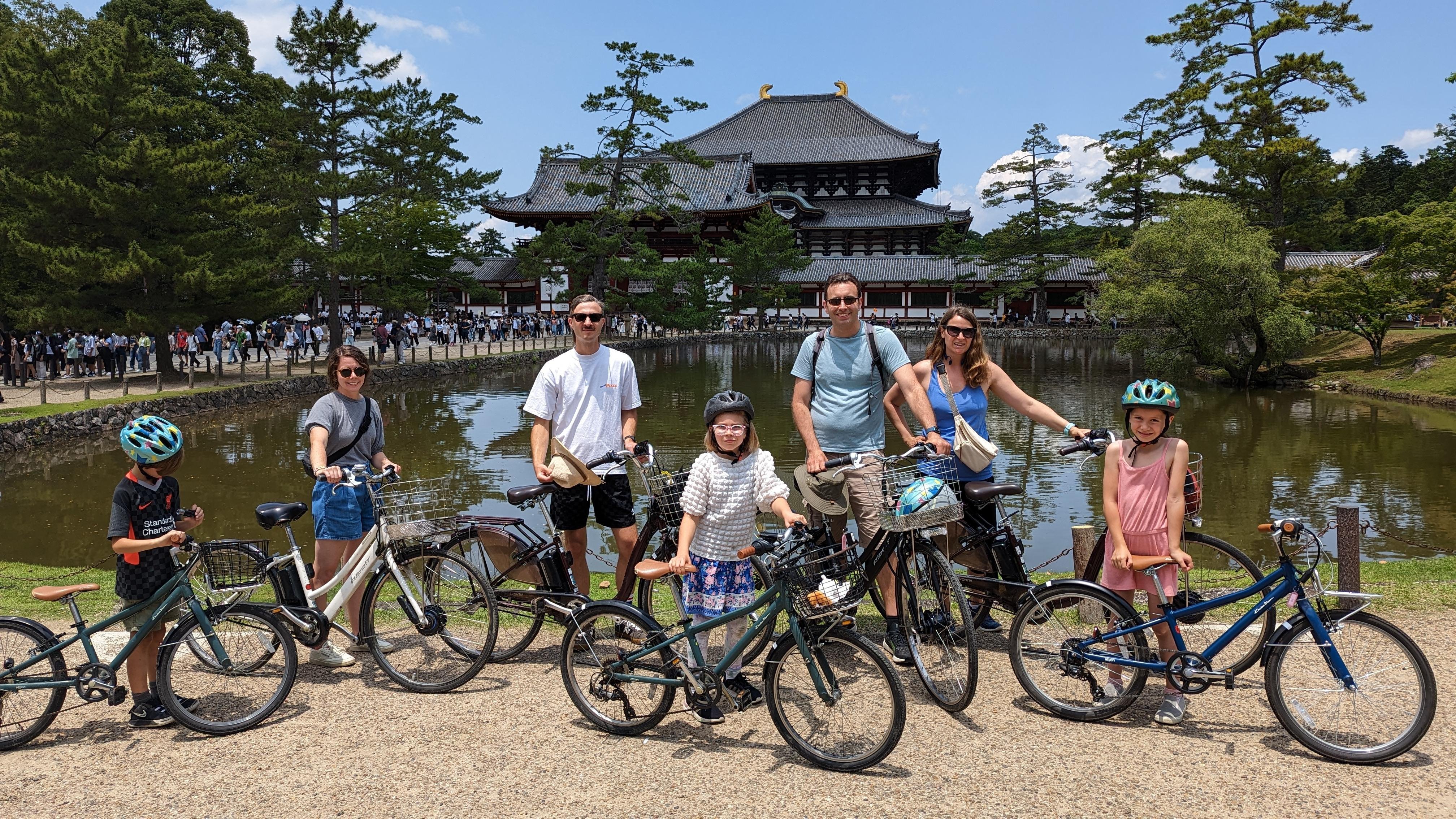
Electric bike tour reaching spots beyond the standard walking circuit, including a traditional knife-making workshop. Ideal for active travellers and return visitors who've already done the main circuit.
Book on GetYourGuide →The Kintetsu Limited Express takes 35 minutes (Kyoto Station → Kintetsu Nara Station, ~1,280 JPY including surcharge). The JR Miyakoji Rapid takes 45 minutes (Kyoto Station → JR Nara Station, 720 JPY, covered by JR Pass). Kintetsu Nara Station is much closer to Nara Park (5–8 min walk vs 18–20 min for JR).
Yes — the JR Pass and JR West Kansai Area Pass cover the JR Miyakoji Rapid from Kyoto to JR Nara Station (45 min, 720 JPY). The faster and more convenient Kintetsu Limited Express is a private railway and not covered by the JR Pass. If you're already holding a JR Pass, use the JR route to save the fare but budget extra walking time.
Minimum 4–5 hours for the core Nara Park circuit (Todai-ji, Kasuga Taisha, Kofuku-ji, deer interactions). A full 7–8 hours lets you also visit gardens (Yoshikien, Isuien), Naramachi, and optionally one western temple. Most visitors based in Kyoto arrive around 9:30–10:00 and return by 16:00–17:00, leaving time for a Kyoto dinner.
Generally gentle but not tame — they can bite, headbutt, and charge. Injury incidents increased sharply post-pandemic: 35 injuries were recorded in September 2025 alone. The greatest risk is during rutting season (September–November) when bucks are aggressive. Always show empty hands when out of crackers, never hold food above your head or in bags in easy reach, and keep children under close supervision. The antler-cutting ceremony in 2025 was delayed until November 8–9 (about a month later than usual) due to elevated aggression.
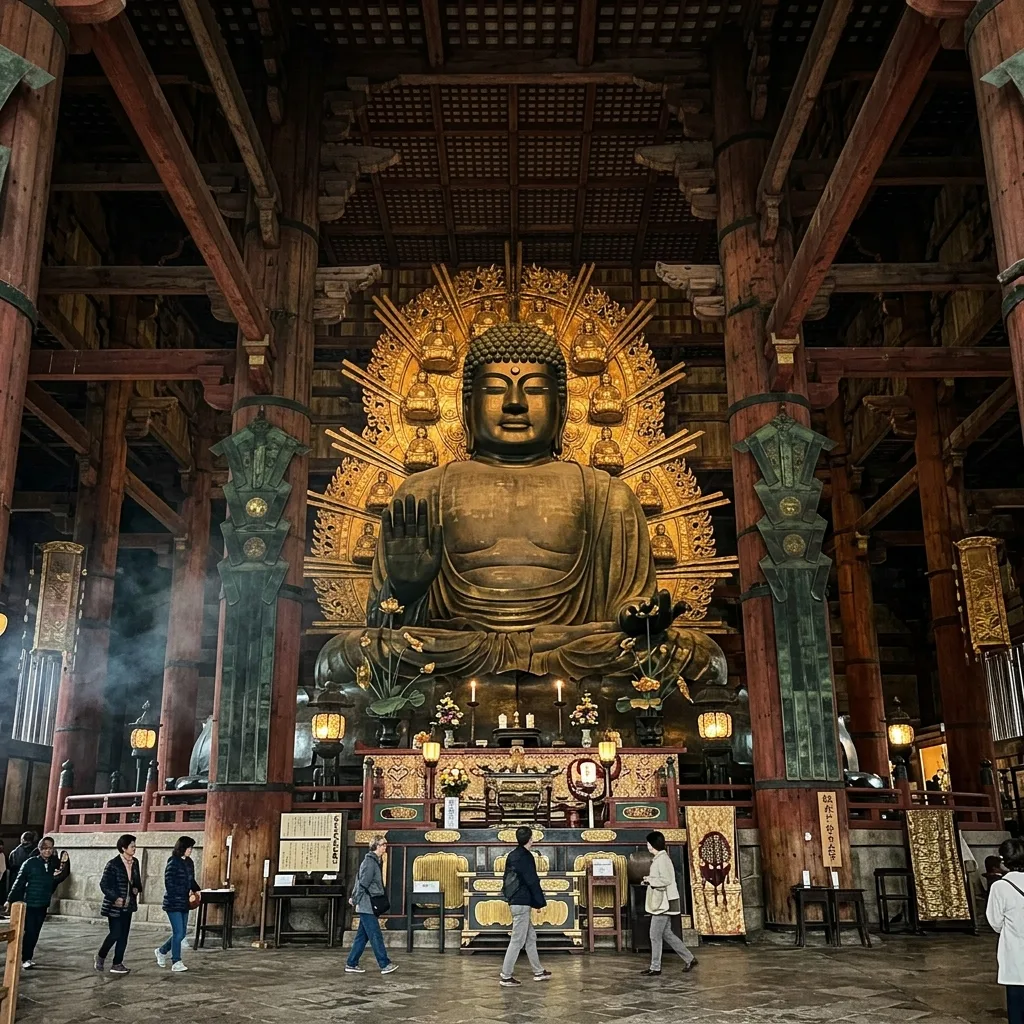
The Daibutsuden (Great Buddha Hall) costs 800 JPY for adults (junior high school and older) and 400 JPY for elementary school children. This fee was raised from 600 JPY in March 2024. A combined Daibutsuden + Museum ticket costs 1,200 JPY for adults. Nara Park itself is free to enter; the deer are free to interact with. Separate admission applies to each hall (Hokkedo, Kaidan-in each 800 JPY).
Yes. Yoshikien Garden offers free admission to foreign visitors — just show your passport at the entrance gate. Japanese nationals pay 250 JPY. This policy makes it one of the best-value sites in Nara. The garden is often uncrowded even during peak cherry blossom and autumn foliage seasons.
Late March–early April (cherry blossoms, peak ~April 1) and mid-November–early December (autumn foliage) are the most beautiful but most crowded. For quieter visits with cooler weather, early March (before Omizutori on March 1–14) or late October work well. January brings the Yamayaki festival (Jan 24, 2026). Summer is hot but the August Tokae lantern festival is unique.
Yes — this is the standard Kyoto-based itinerary. Spend the morning in Nara (arrive ~9:30, leave by 16:00) and return to Kyoto for dinner. With a 35-minute train ride each way, you lose very little travel time. Many tour operators have optimized this combination, covering both cities in a single guided day.
The pagoda itself is entirely wrapped in restoration scaffolding and covered until March 2034 — so the famous silhouette is not visible. However, the foundation area and surrounding grounds are still worth visiting, and the Kofuku-ji National Treasure Museum (700 JPY) houses outstanding Buddhist sculptures including the Asura statue. The Sarusawa Pond reflection shot is partially obscured but still atmospheric.
A standard self-guided day costs approximately 3,920–4,420 JPY (~$26–30 USD): Kintetsu Express return 1,520 JPY, Todai-ji Daibutsuden 800 JPY, shika senbei 200 JPY, lunch 1,200–1,500 JPY, mochi snack 200–400 JPY. Adding the Kofuku-ji Museum (700 JPY), Kasuga Taisha inner area (700 JPY), and Isuien Garden (1,200 JPY) brings a full sites day to ~6,500–7,500 JPY. Guided tours start from ~$51 USD per person all-inclusive.
You can feed deer with shika senbei (deer crackers, 200 JPY/bundle) and many will approach you or bow — some may nuzzle your hands or clothing. Touching is possible when deer allow it, but do not try to restrain, hold, or hug them — they are wild animals designated as National Natural Treasures. Bucks are particularly aggressive during rutting season (September–November). Show open empty hands when out of crackers.
Kintetsu Rapid Express from Osaka-Namba to Kintetsu Nara Station: ~40 minutes, 680 JPY — no surcharge, no reservation needed. Same 680 JPY fare from Osaka-Uehommachi (~37 min). The JR Yamatoji Rapid from JR Osaka to JR Nara Station runs ~47 minutes at 820 JPY and is covered by the JR Pass — but JR Nara Station is a 15–20 minute walk from Nara Park, versus 5 minutes from Kintetsu Nara. For park access, Kintetsu is the clear choice. Fares verified against Kintetsu official fare table, April 2026.
Yes — unambiguously. The combination of 1,200+ free-roaming sacred deer, the world's largest bronze Buddha at Todai-ji, Kasuga Taisha's 3,000-lantern complex, and eight UNESCO World Heritage sites within comfortable walking distance is unmatched anywhere in Japan. Most visitors who budget 6+ hours leave wishing they had booked a full day. Even a 4-hour visit covers the core highlights.
Nara (then called Heijō-kyō) served as Japan's first permanent imperial capital from 710 to 784 AD — a period when Buddhism was formally established as the state religion, the first comprehensive legal codes were written, and the foundational institutions of Japanese civilization took shape. The Great Buddha (Daibutsu) at Todai-ji was commissioned by Emperor Shōmu in 743 AD as a national protection deity during a period of smallpox epidemics and civil unrest. The deer have been considered divine messengers of Kasuga Taisha for over 1,300 years.
In rough priority order: Todai-ji Nandaimon Gate with deer in the foreground (best in morning light, 8:00–10:00 before crowds); Kasuga Taisha's bronze hanging lantern corridor inside the paid inner area (low, warm light); Sarusawa Pond with Kofuku-ji pagoda reflection (note: pagoda in scaffolding until 2034, but still atmospheric); Nigatsu-do observation deck at dusk (free, open 24h, city panorama in golden hour); Yoshikien Garden moss section in rain or soft morning light.
Skip the western temples (Horyu-ji, Toshodai-ji, Yakushi-ji) — they require a separate bus trip and a half-day minimum. Skip Isuien Garden (1,200 JPY) unless gardens are a specific interest. Skip the Nara National Museum unless there is a special exhibition. The tight 4-hour circuit: Kofuku-ji grounds (30 min) → Nara Park deer feeding (30 min) → Todai-ji Daibutsuden (60 min) → Nakatanidou mochi snack → return. This covers all the essential highlights without rushing.
January 24, 2026. The procession begins at 17:00, fireworks at 18:15, and the Wakakusayama grassland is ignited at 18:30. From 2026, two previously free viewing zones within Nara Park now require advance paid tickets — book these well ahead. Free viewing from certain public areas along the park perimeter remains available. Dress warmly: January nights in Nara reach 1–5°C. The Yamayaki is one of Japan's most dramatic winter festivals.
Better than most Japanese cities. Todai-ji, Kasuga Taisha, Kofuku-ji, and Nara National Museum all provide English audio guides, multilingual pamphlets, and bilingual signage. Both JR and Kintetsu stations have English-speaking staff at information windows and English on-board announcements. The Nara Visitor Center & Inn (near Naramachi) provides free English maps and walking guides. Smaller machiya cafes and craft shops in Naramachi are typically Japanese-only, but pointing at menus works fine.
Filtered to 50+ reviews and 4.3+ rating · Independent research, April 2026